


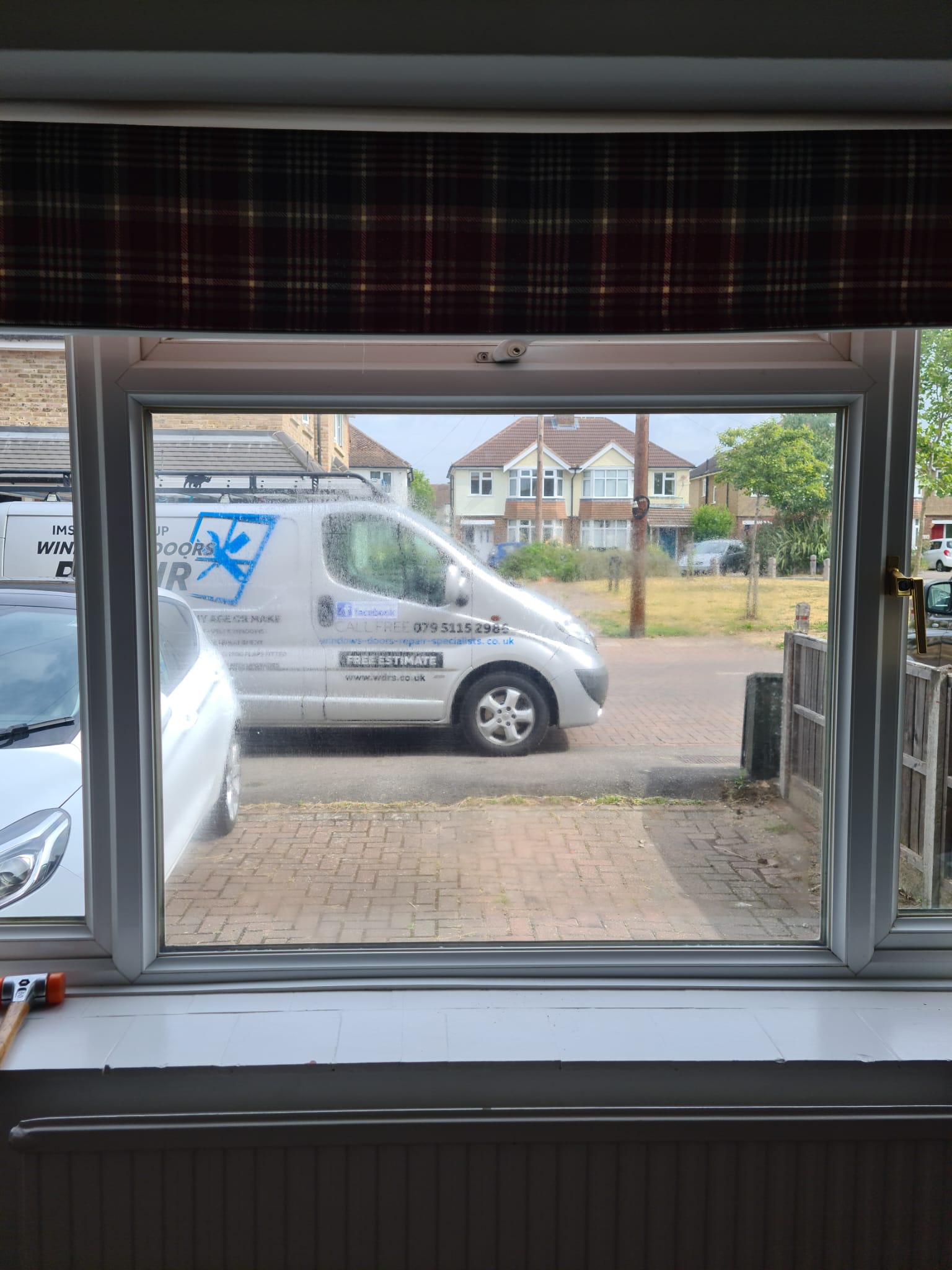
Misted Windows in Bracknell: Why They Happen & How We Fix Them
There’s nothing quite like waking up on a crisp Bracknell morning, pulling back the curtains and finding your windows completely fogged up – not from outside frost, but from moisture trapped between the glass panes. It’s a common frustration for homeowners across Bracknell RG12 and RG42, and it signals one thing: your double glazing seal has failed.
The good news? Misted windows don’t mean you need new windows. In fact, fixing misted double glazing is one of the most straightforward and affordable window repairs in Bracknell – typically costing £80–150 per unit instead of £500–1500 for a full window replacement.
This guide explains what causes misted windows, why it happens even in newer homes, how double glazing repair works, and what you can expect to pay. Whether you’re in Crown Wood, Priestwood, Easthampstead or surrounding areas like Wokingham, Ascot or Crowthorne, this is essential reading.
What Are Misted Windows? (And Why It Happens
Misted double glazing occurs when the sealed space between two panes of glass fills with moisture. You can see it as a permanent fog, condensation or water droplets inside the sealed unit – and unlike morning dew on a single-pane window, this moisture won’t go away when the weather warms up.
Why the Seal Fails?
Double-glazed units rely on a seal – typically made of silicone, rubber or butyl – to keep moisture out and dry air in. Over time, this seal can fail due to:
Age and wear: Most seals last 10–15 years. After that, constant expansion and contraction from temperature changes makes them brittle and prone to cracking.
Poor initial installation: If the window was fitted incorrectly, the seal may never have been airtight to begin with. This is rare but happens.
Weather damage: Extreme temperature swings – hot summers followed by freezing Berkshire winters – put stress on seals. Heavy rain and wind can also accelerate failure.
Manufacturing defect: Very occasionally, a sealed unit leaves the factory with a defective seal. This usually appears within the warranty period (typically 10 years).
Accidental damage: Bumping the frame or impact from gardening can sometimes compromise the seal integrity.
Once the seal fails, external air (with moisture in it) enters the gap between the panes. As temperature changes, this air expands and contracts, pushing moisture through the tiny crack. Over weeks or months, you get a visible fog or condensation layer that blocks your view and traps heat inefficiently.
Why Misted Windows Matter (Beyond Annoyance)
It’s easy to dismiss misted windows as just a cosmetic problem. But they actually affect three key areas of your home:
Your view and natural light
Fog between the panes blocks sight lines and reduces the amount of natural light entering your rooms. If you’re looking out onto a garden in Priestwood or Forest Park, or you rely on natural light during winter, misting is genuinely frustrating.
Your heating efficiency
The gap between panes is supposed to be insulated and filled with dry air (or argon gas in premium units). When moisture enters, it disrupts this insulation. You may notice:
- Rooms feeling colder near misted windows
- Higher heating bills to compensate
- Uncomfortable draughts even though the window is sealed
Long-term frame damage
If moisture is trapped between panes, it can eventually seep into the frame itself, causing wood rot (on timber frames) or corrosion (on aluminium frames). This takes years, but it’s another reason not to ignore the problem.
Misted windows aren’t just ugly – they cost you money in lost efficiency and eventually risk frame damage.
Repair vs Replacement: The Real Cost Breakdown
This is where most homeowners get confused – and where dishonest traders push unnecessary replacements.
Myth: “Misted windows mean you need new windows”
False!
In 99% of cases, the frame is perfectly sound. Only the sealed glass unit has failed. You replace the glass unit, not the entire frame.